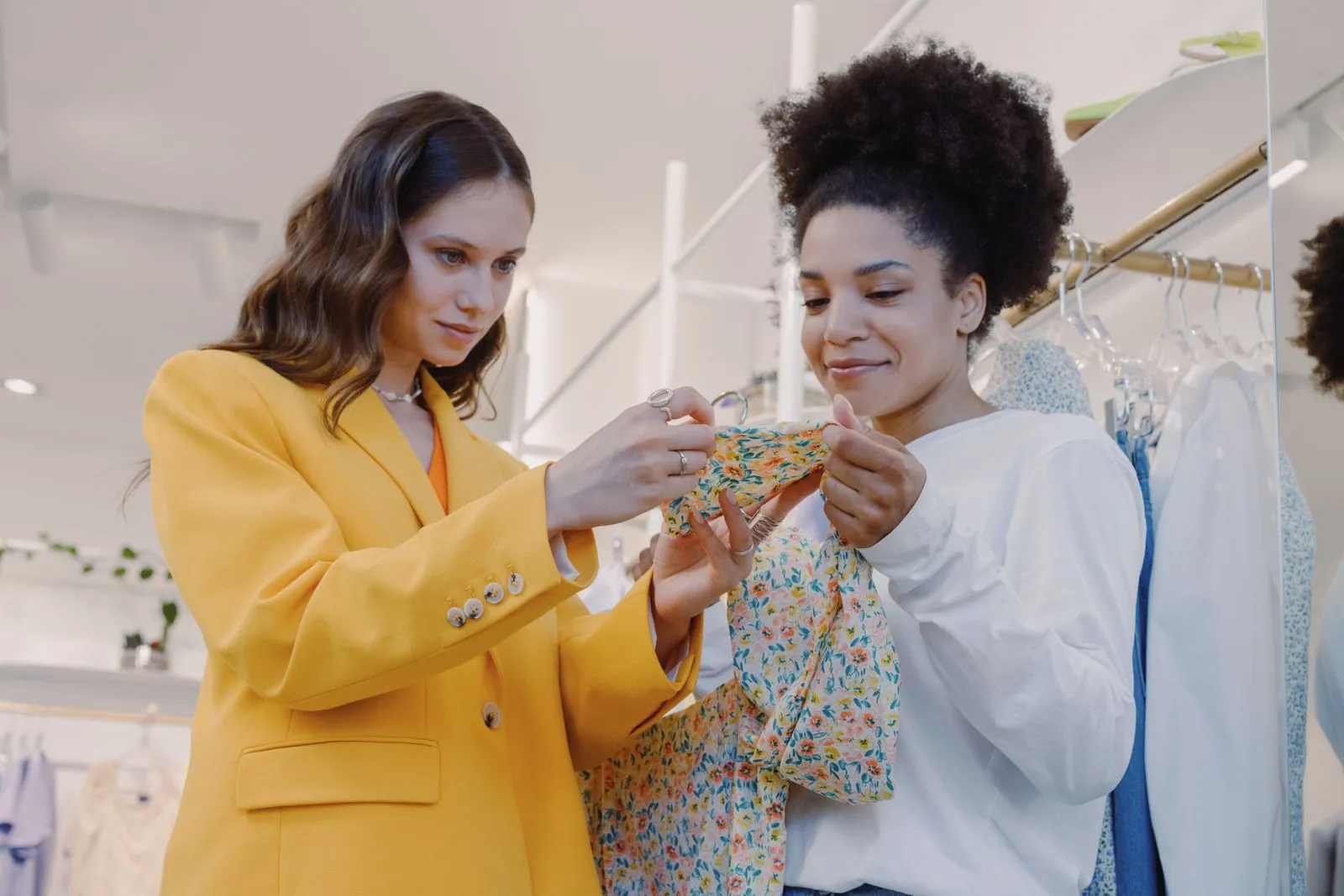
A little preparation can make an occasionwear personal shopping session more focused. Your shopper needs to understand what the event calls for, what styles appeal to you, and how you want the outfit to feel and function. Gather the invitation or dress-code guidance, a few useful images, current measurements, and notes about comfort and logistics. You do not need a perfect plan or a fixed outfit in mind; clear details help narrow the options while leaving room to discover something unexpected.
Bring the Event Details
Share the invitation, event website, or dress-code instructions, including any wording such as cocktail, black tie, garden attire, or festive. If the guidance is unclear, bring the exact language rather than guessing what it means. Also note the event type, venue, time of day, and whether it will take place indoors or outdoors. Those details can affect the level of formality, fabric, layers, and footwear.
Tell your shopper how you will arrive and what the schedule involves. A ceremony followed by dancing, a long outdoor reception, or a work event with presentations may call for different choices. Mention any cultural or family expectations, dress-code restrictions, or colors you need to avoid. If you are shopping for a wedding party or coordinated group, bring relevant color and style guidance.
Collect Useful Inspiration
Save a small set of images that show what you like. These can be outfits, specific details, or color combinations—not only complete looks. Point out what catches your eye, such as a defined waist, a particular sleeve, a flowing skirt, or a clean neckline. A few examples with clear reasons are more useful than a large folder of images with no explanation.
Include examples of what you do not want, especially if you have tried similar styles before. Explain whether the issue was the cut, color, fabric, coverage, or how the garment felt. Inspiration is a starting point, not a strict template: a shopper can use it to identify patterns in your preferences and suggest alternatives that suit the event and your comfort.
Note Measurements and Fit
Bring recent measurements if you have them, including bust, waist, hips, and height. Note the date and whether someone else took them; measurements can vary depending on technique and clothing. If you do not have current figures, do not delay the appointment. Your shopper can discuss fit and may help identify what measurements are useful for the garments under consideration.
Share how clothes usually fit you and where you often need adjustments. For example, mention a preferred hem length, shoulder fit, bust support, or room for movement. Tell your shopper about undergarments or shapewear you plan to wear, and bring them if they affect fit. If you expect to wear a particular heel height, bring those shoes or a similar pair to assess length and balance.
Explain Practical Preferences
Be specific about comfort and function. Consider how much walking or sitting the outfit requires, whether you need pockets, and how you feel about straps, sleeves, fitted fabrics, or special undergarments. Mention sensitivities to fabric, temperature, or restrictive waistbands. These details help avoid options that look appealing on a hanger but do not work for a full event.
Share your budget range and whether it includes shoes, accessories, alterations, and any additional layers. Note your shopping timeline, especially if the event is soon or an item may need tailoring. Bring a list of pieces you already own and may want to wear, such as shoes, jewelry, or a jacket. This helps build a complete outfit and prevents unnecessary purchases.
Before your appointment, gather the event guidance, a few annotated inspiration images, current fit notes, and a short list of practical needs. Keep the information easy to access on your phone or in a small folder. You do not have to decide everything in advance; a clear starting point helps your shopper focus the search and refine the look with you.